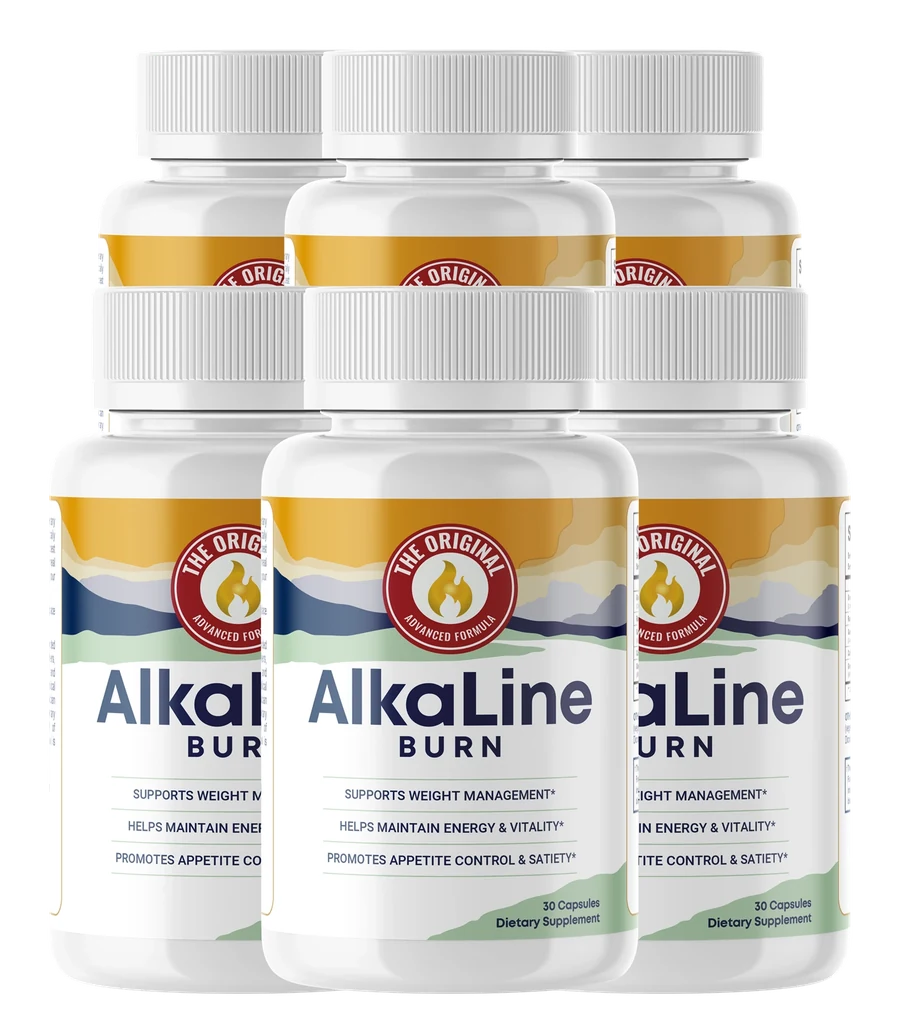
Apple Cider Vinegar, Explained: What The Research Actually Shows
Apple Cider Vinegar is the most extensively studied of AlkaLine Burn's four named ingredients, with real systematic reviews and randomized controlled trials behind it.
Here is what that research covers, what it doesn't, and a tolerability note worth knowing before your first capsule.
What the research covers
Apple Cider Vinegar has been examined in systematic reviews and meta-analyses of randomized controlled trials for its association with body weight management. Separate research has looked at vinegar ingestion's effects on glycemic control and satiety, generally attributing these effects to its acetic acid content, which is thought to slow gastric emptying and blunt post-meal blood sugar spikes.
The appetite-regulation angle
A randomized controlled trial specifically examining Apple Cider Vinegar for appetite regulation and reduced caloric intake is among the research the brand cites. This is the mechanism most directly relevant to AlkaLine Burn's appetite-control positioning.
The tolerability picture
Systematic reviews on the safety and tolerability of Apple Cider Vinegar supplementation in adults have identified some considerations worth knowing: at higher doses or with prolonged undiluted exposure, ACV can affect tooth enamel and cause throat or esophageal irritation. In capsule form, direct dental contact is avoided, which is one advantage of this delivery format over liquid vinegar.
What this research does not establish
This research concerns Apple Cider Vinegar studied at its own doses in isolation — not AlkaLine Burn's specific formula, which does not disclose how much Apple Cider Vinegar it actually contains per serving.
Applying this to AlkaLine Burn
Apple Cider Vinegar is one of four named ingredients in AlkaLine Burn, at an undisclosed amount. See our piece on what we couldn't confirm for the full transparency picture.